


TIDES & TASKS

Real photographs from Colin’s collection. Masthead and promotional artwork are illustrations.
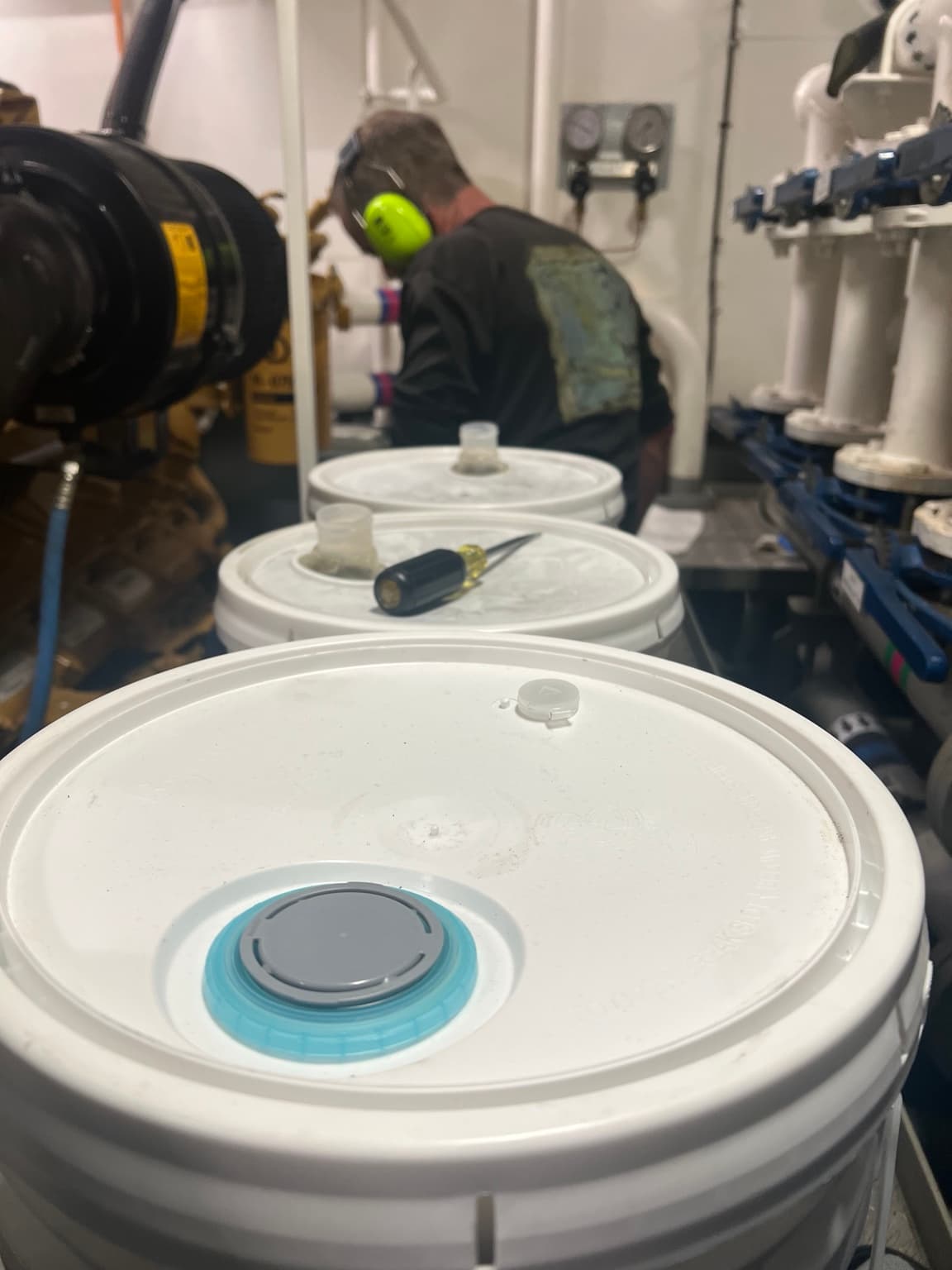
CHANGING THE OIL
BELOW DECK
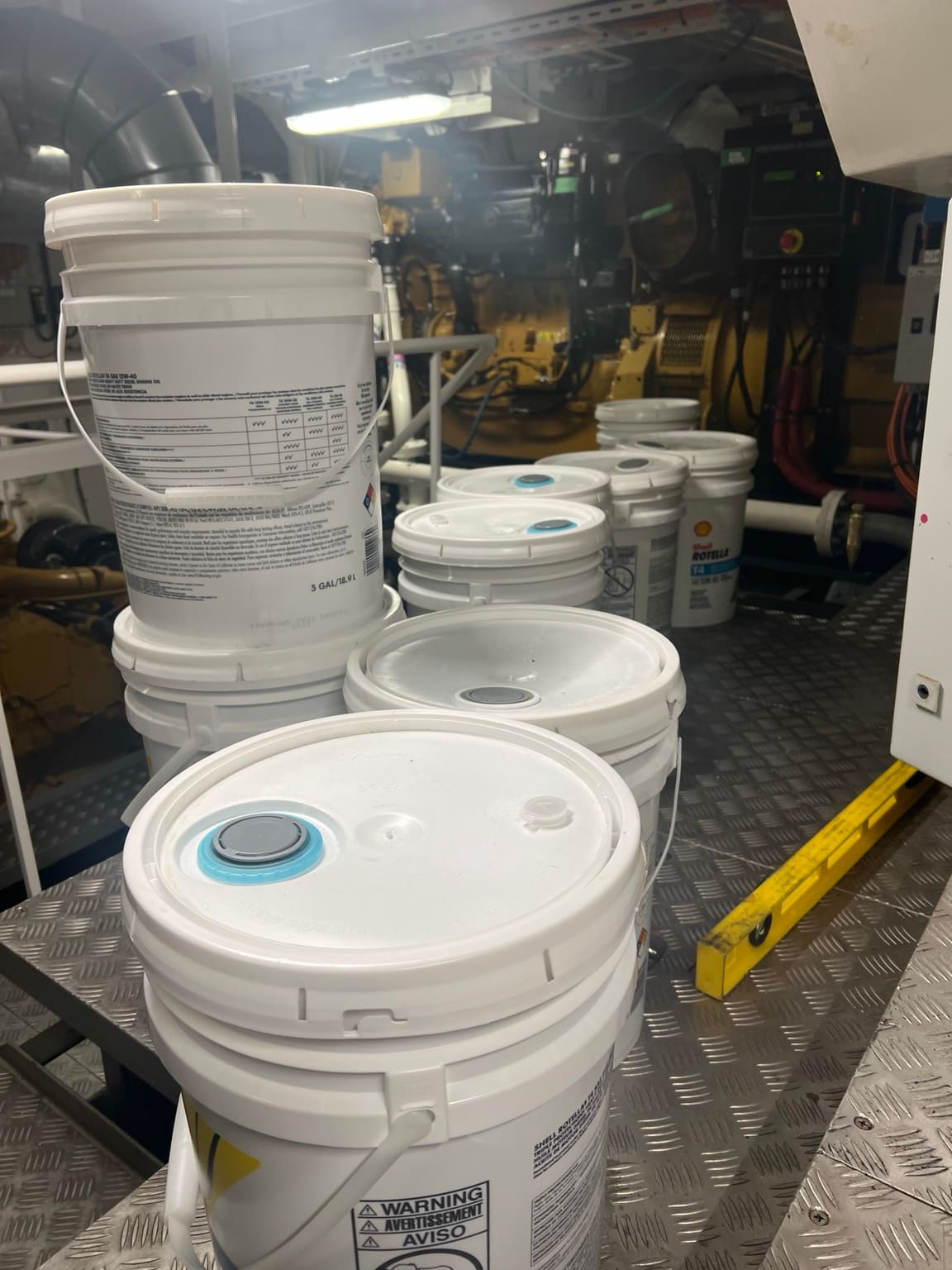
NINE BUCKETS IN,
NINE BUCKETS OUT
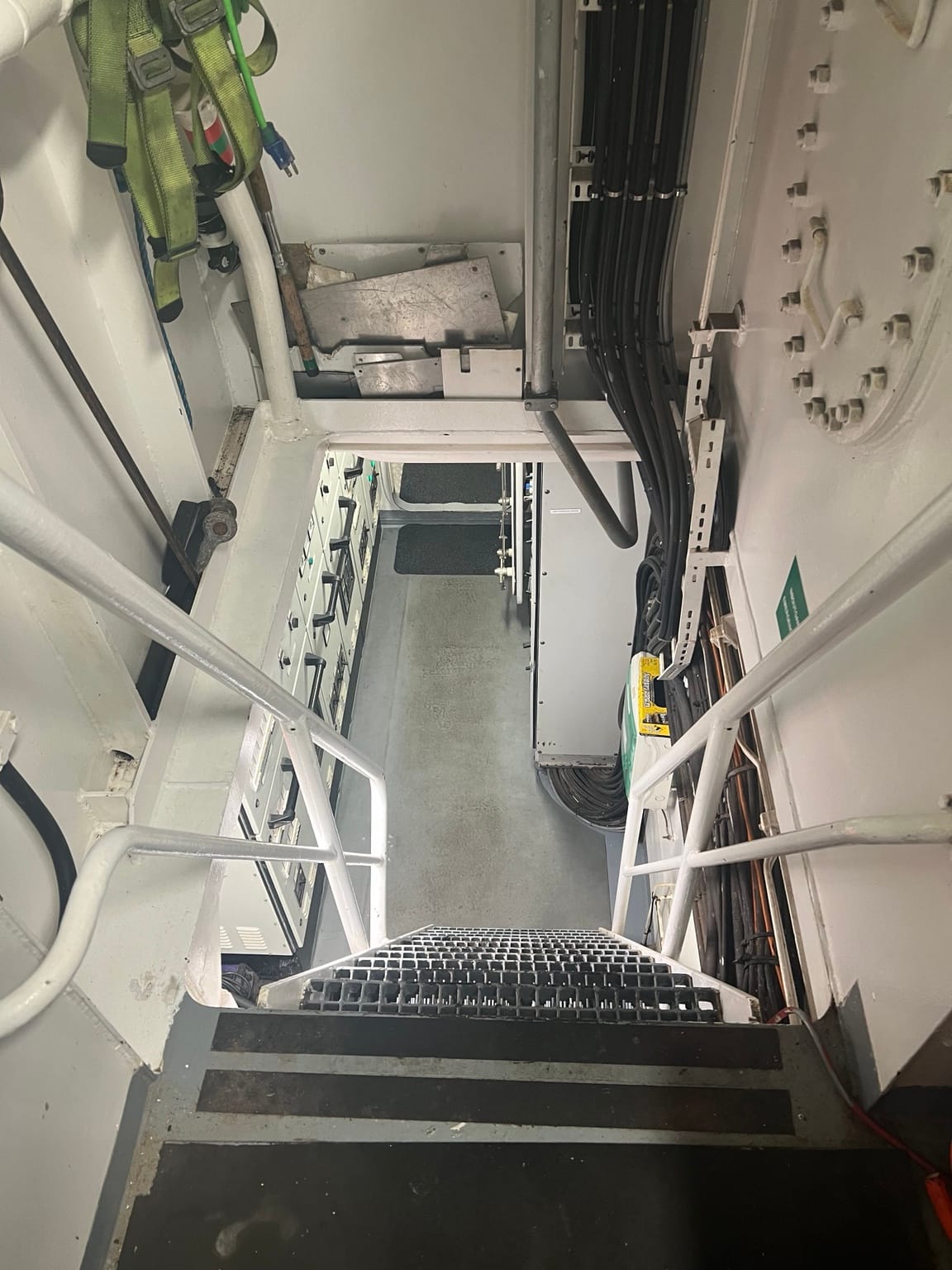
THE BELOW-DECK REALITY
TIGHT, STEEP, AND REAL
Tides matter out here. They change the angle of the dock ramp, how easy it is to carry gear, how the vessel moves, and how much of a pain in the ass a simple job can become.
At this berth, high tide made the gangway less steep. Low tide can turn the same route into a steep haul. If you’re carrying tools, supplies or buckets of oil, you notice the difference immediately.
Check the Tide Bible
Smart deckhands don’t wait until a heavy job starts to think about the tide. We check tide apps in advance, use the charts and computer systems aboard, and then do the oldest check in the book: look outside and watch the water change through the day.
Tide Basics
- High tide: higher water level, a less steep gangway at this berth on this job.
- Low tide: lower water level, which can change the gangway angle and loading conditions.
- Current: moving water that can affect vessel motion and working conditions.
- Plan ahead: check apps, charts and vessel systems — then keep watching the actual water.
The day’s big task: 180 litres of engine oil
One of the below-deck jobs on this trip was changing the oil on one of the main engines. I recorded about 180 litres of oil for this change — roughly nine buckets going in and, once the old oil was removed, roughly nine buckets coming back out.
The engine room is tight. You’re working around machinery, pipes, valves, stairs and other people while trying not to make a mess. The fresh oil has to get below deck. The old oil has to come back up.
Getting the old buckets off the boat is the shitty part. If you had to muscle every one of them up a steep gangway at low tide, you’d remember it. This time we got lucky: it was high tide, and at this berth the vessel’s crane could reach the dock.
So instead of hand-hauling the whole load up the ramp, we used the crane to lift the buckets off the vessel. Once they’re ashore, a forklift moves them to the shore-side area where the used oil, dirty rags and similar waste are handled.
The vessel also has a sludge tank, with an electric pump system used when that tank needs to be pumped out. Different job, same lesson: on a working boat, everything is connected — machinery, lifting gear, shore access, tide, timing and somebody doing the grunt work.
Oil Change Reality
- About 180 litres of engine oil.
- Roughly nine buckets in and nine buckets out.
- Fresh oil staged and moved below deck.
- Used oil brought back out for shore handling.
- On this job, the crew used the crane to lift the buckets to the dock.
- Forklift moves the buckets ashore to the oil/waste area.
- Sludge tank and electric pump system handle other vessel waste-oil needs.
The boat still expects breakfast
Tides and current don’t only matter when you’re carrying heavy shit. They affect the whole working day. If the vessel is moving around more, every ordinary task becomes harder: fetching coffee for the captain, cooking breakfast, doing laundry, moving below deck, helping the engineer, carrying gear and simply keeping your footing.
The environment changes constantly. The jobs don’t disappear. You adjust.
A personal account of one job, not engine-maintenance or lifting instructions. Quantities are Colin’s approximate recollection; real work follows vessel procedures and qualified crew direction.
Useful Deckhand English
- high tide — higher water level
- low tide — lower water level
- current — moving water
- below deck — inside the vessel, under the main deck
- engine room — the machinery space
- crane reach — the distance between the crane and a load; safe limits come from approved equipment information and qualified crew
- carry the buckets — move buckets by hand
- pump it out — remove liquid using a pump
- watch your footing — be careful where you step

