


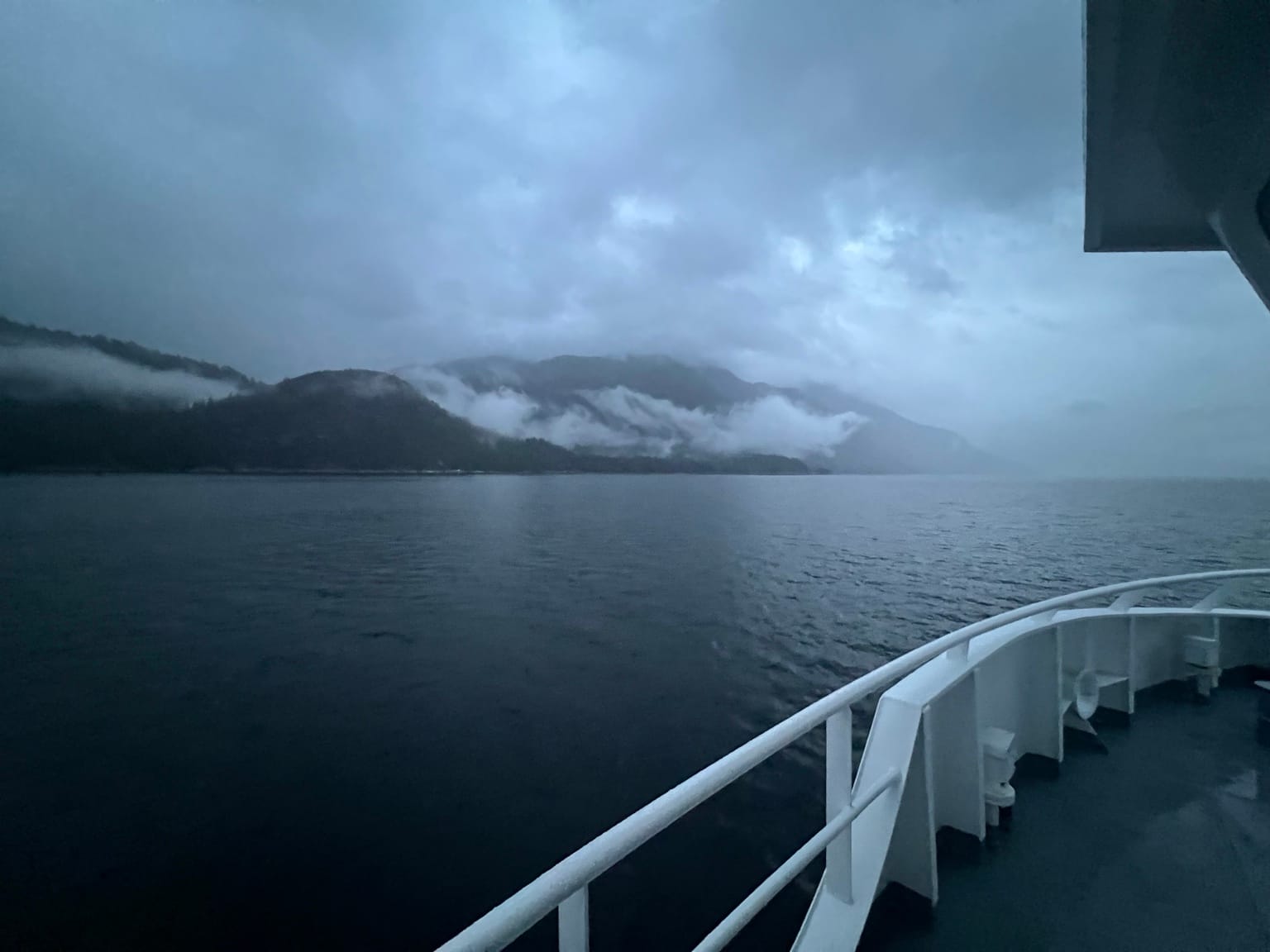
Editorial billboard using a photograph and graphic design. Supporting photographs are scenes from Colin’s working-boat collection, not a step-by-step record of this job.
Fuel Day
15,000 litres, tank levels, and keeping the vessel ready
The Story
Fuel day looks simple from a distance: hose, tank, number, done. On a working vessel it is another job where communication and attention matter.
During the final week aboard Aqua Service, roughly 15,000 litres brought the vessel to around eighty percent. From the deckhand side, the useful work is keeping the area organized, listening for instructions, watching the job, and helping with whatever the captain or engineer needs.
The exact fueling procedure belongs to the vessel and qualified crew. The lesson for a new deckhand is to stay alert and learn how the operation is monitored.


Deckhand Lessons
- Know who is running the fueling operation.
- Keep the work area organized.
- Repeat back instructions when needed.
- Record important numbers accurately.
Working Vocabulary
- fuel transfer — moving fuel from one place to another
- tank level — how much liquid is in a tank
- fill — to put liquid into a container
- hose — a flexible tube that carries liquid
- capacity — the amount a container can hold
- monitor — to watch or check something over time
Four Finger Rule — On the Job
WANT TO — I want to understand the numbers.
HAVE TO — I have to listen to the person leading the job.
NEED TO — I need to confirm the amount.
MIGHT — We might need to repeat that number.
Editorial Note
This page is documentary storytelling from Colin’s working experience. It is not formal marine, engineering, safety, fueling, lifting, or watchkeeping instruction.
